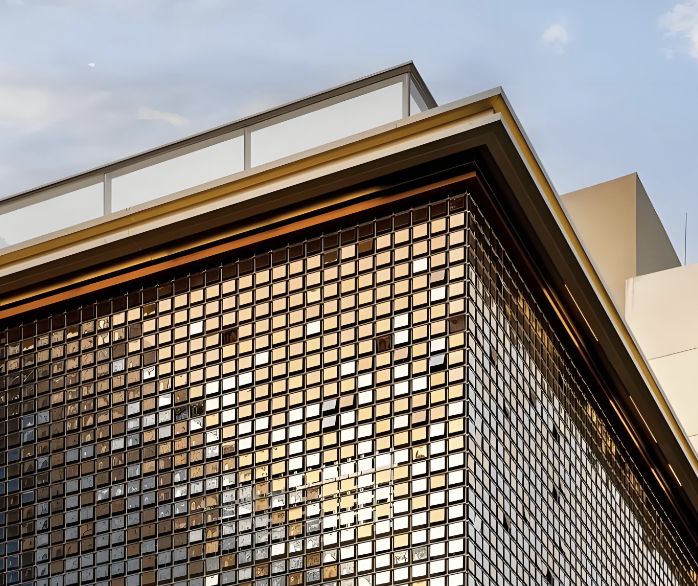
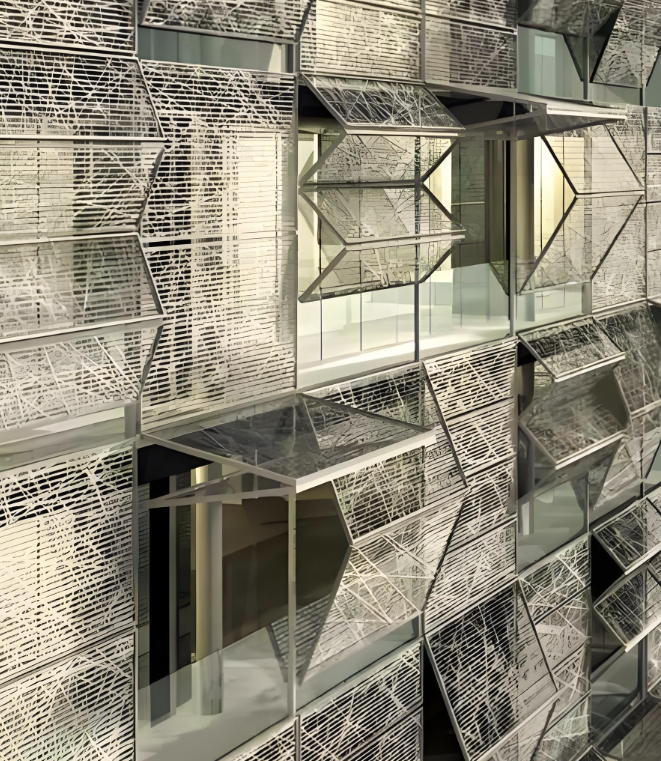






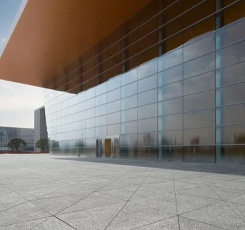
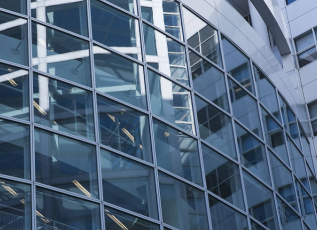
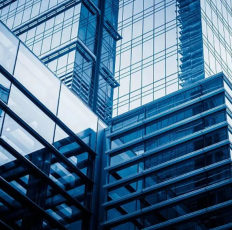

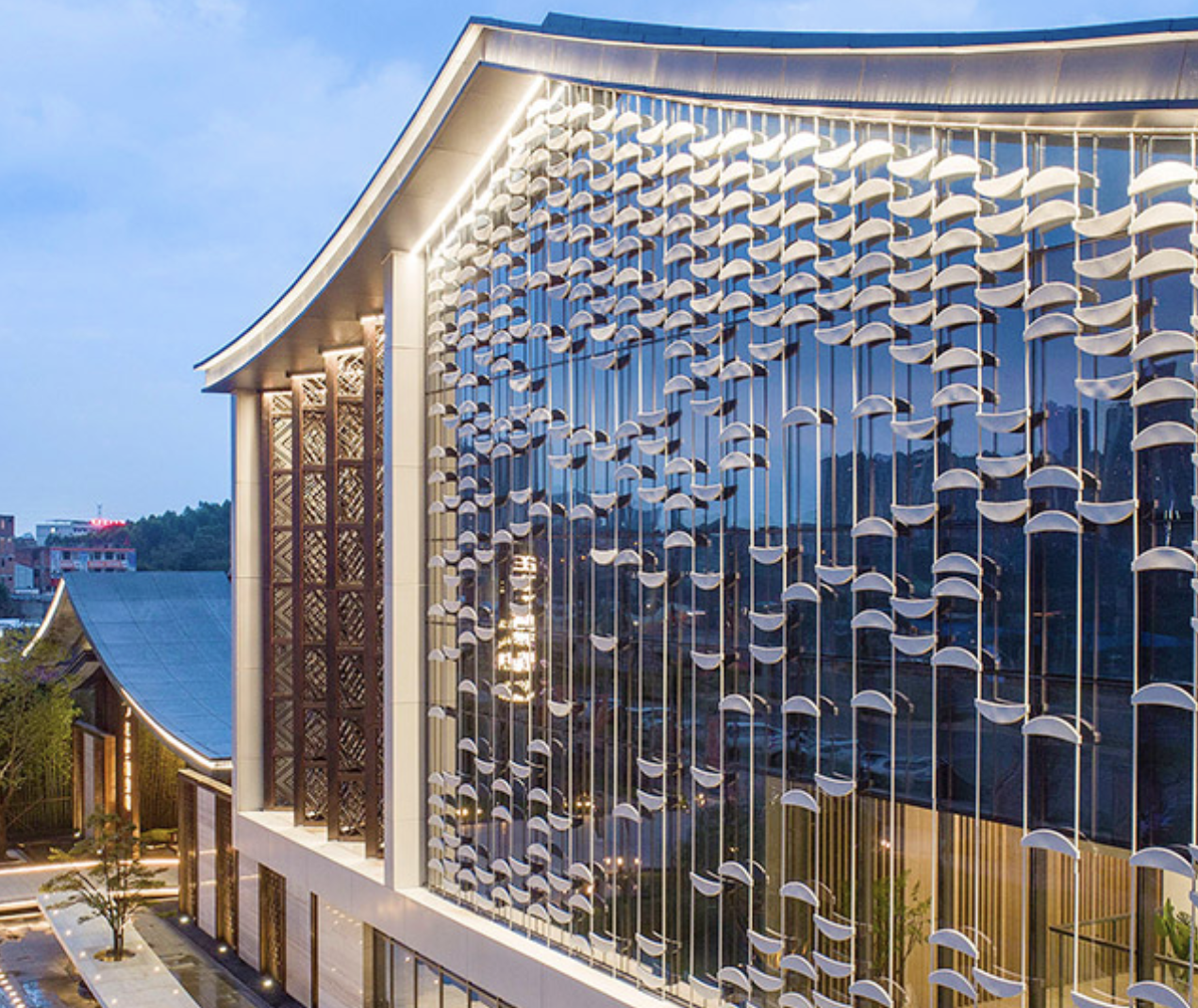
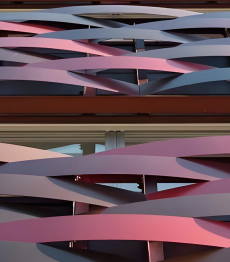
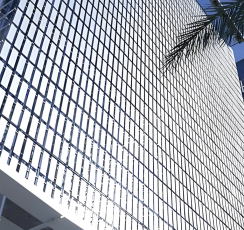
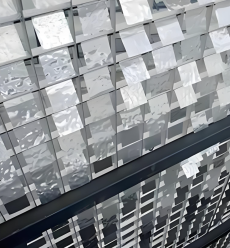
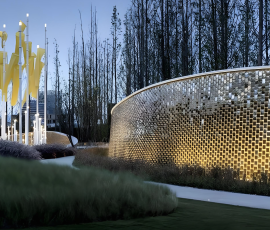
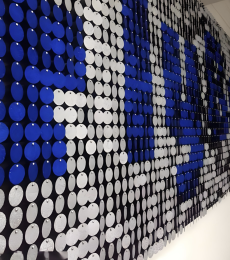
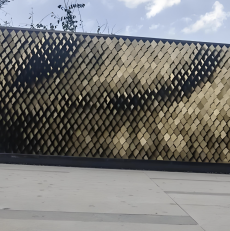
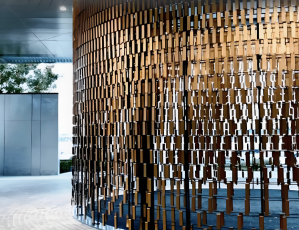
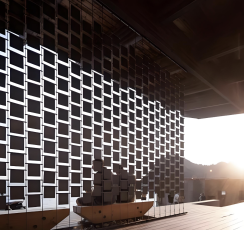
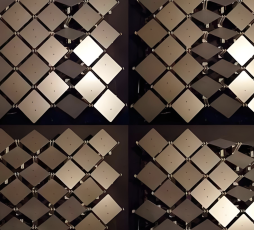
The core advantage of this perforated wind-moving curtain wall is its dual functions of decoration and ventilation. The 30% perforation rate and 8mm hole diameter ensure proper air flow while maintaining a certain level of privacy for the building interior. The fluorocarbon coating provides superior UV resistance and color fastness, ensuring that the vibrant colors remain intact for over 10 years under long-term sun exposure. The patented damping hinge system ensures smooth and stable rotation, and the aluminum-manganese alloy material offers excellent strength and corrosion resistance. It solves the pain point of traditional solid wind curtain walls blocking natural ventilation, helping building owners reduce air conditioning energy consumption and improve indoor air quality. The 12 available standard colors allow for flexible matching with different building styles.、
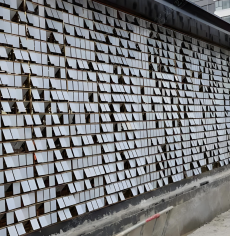
Each unit has a panel size of 350mm × 350mm with a thickness of 1.8mm, made of high-strength aluminum-manganese alloy. The surface is treated with fluorocarbon coating, available in 12 standard colors including red, blue, green, and neutral tones. The perforation rate is 30% with a uniform 8mm diameter hole layout, ensuring consistent air flow and visual effect. The wind rotation range is ±12°, and the installation clearance between adjacent panels is 45mm to avoid collision during rotation. It has a wind resistance rating of Grade 9, can withstand temperatures from -30℃ to 75℃, and meets the Class B1 fire resistance standard. The total weight per unit is approximately 1.9kg, and it comes with a complete set of standard installation accessories.
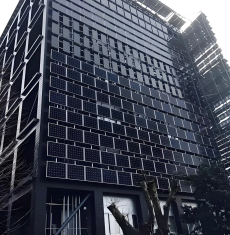
This perforated wind-moving curtain wall is suitable for a wide range of buildings that require both decorative effects and ventilation performance. Primary application scenarios include office buildings, shopping malls, school campuses, hospital buildings, and residential communities. It can also be used as a decorative fence for outdoor parks, pedestrian streets, and rooftop gardens. The ventilating design makes it particularly suitable for buildings that need to improve indoor air quality and reduce energy consumption, helping to meet green building certification standards and enhance the overall environmental friendliness of the project.







 Post RFQ


 Chat
Chat


 ALL CATEGORIES