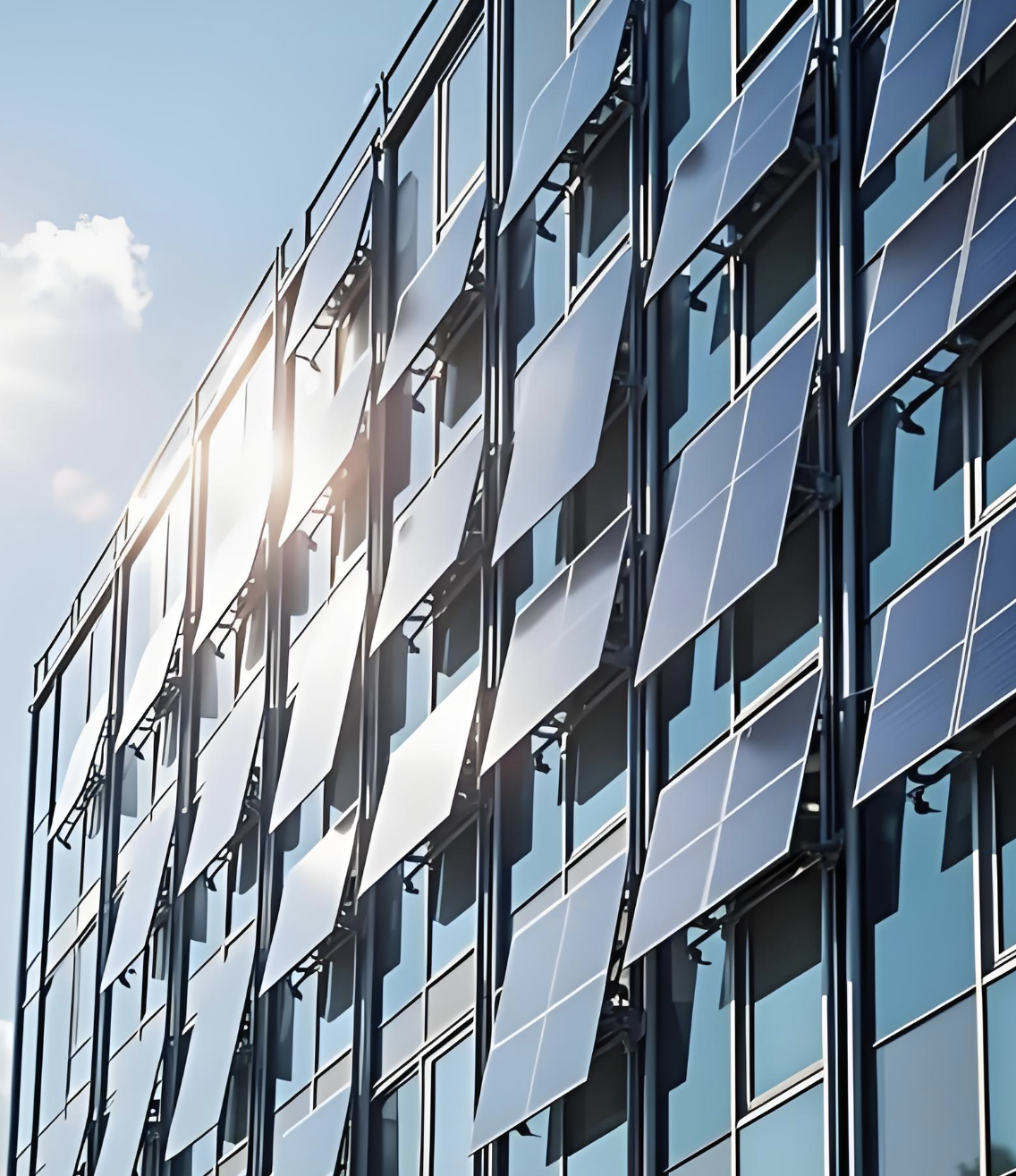
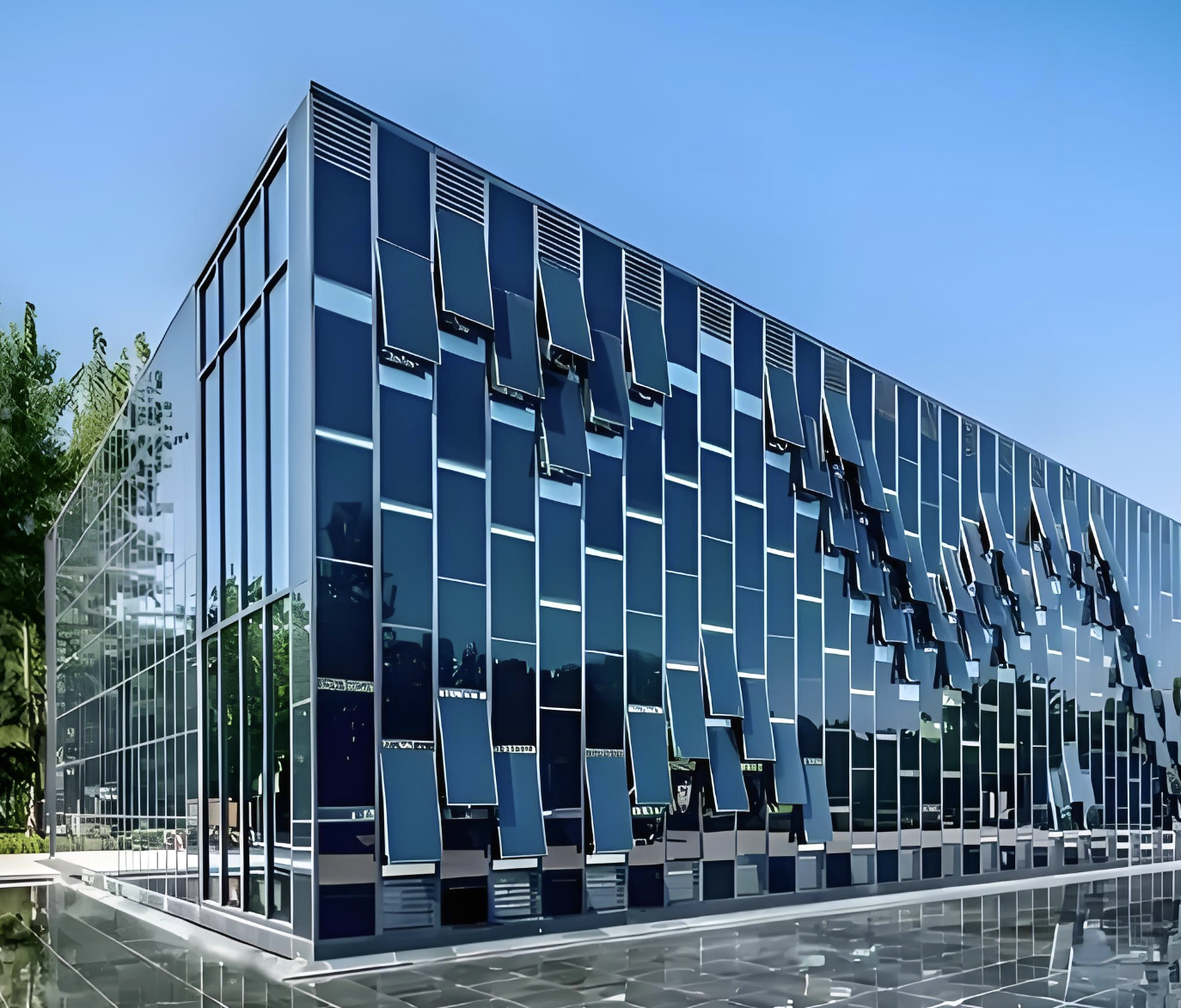






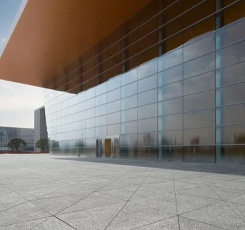

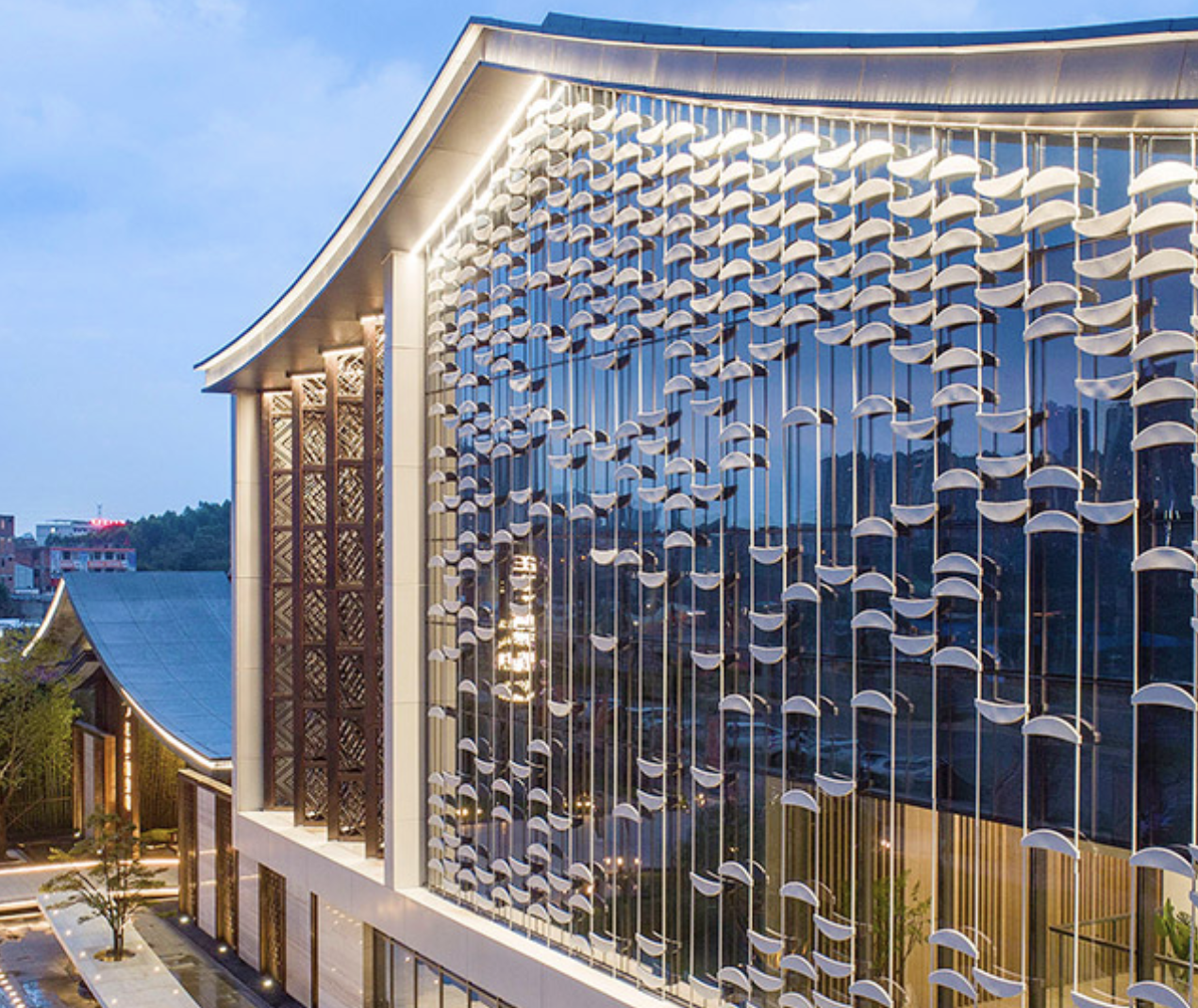
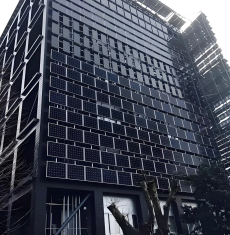
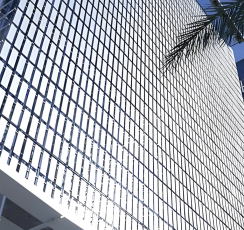
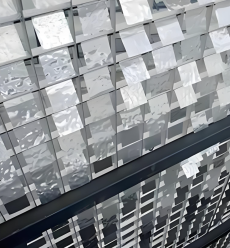
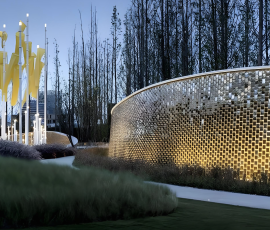
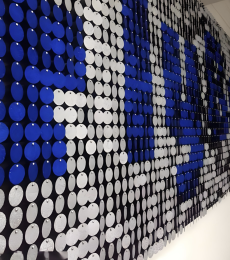
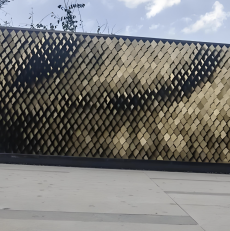
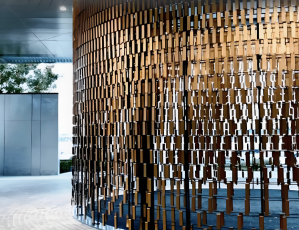
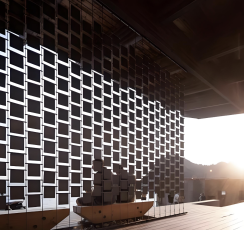
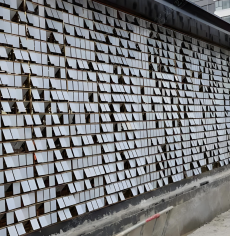
The core advantage of this curtain wall is the integration of photovoltaic power generation function, which not only has the dynamic visual effect of traditional wind-activated curtain walls but also can generate additional electric energy for the building, realizing the dual value of decoration and energy saving. The monocrystalline silicon photovoltaic panel has a conversion efficiency of up to 21.2%, which can generate 12W of electric energy per component, meeting the power demand of small low-voltage equipment. The adjustable swing angle design can maximize the absorption of solar energy, improving the power generation efficiency. The modular installation design is convenient for later maintenance and replacement of photovoltaic components. It also meets the Class A fire protection grade and LEED environmental protection certification requirements, fully meeting the standards of green building projects.
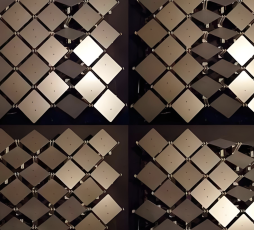
Each independent wind-driven component has a size of 400mm x 400mm with a thickness of 2.5mm, made of 6063 aluminum alloy, with a built-in monocrystalline silicon photovoltaic panel with a single component weight of 1.2kg. The photovoltaic conversion efficiency is 21.2%, and the single component can generate 12W of electric energy. The waterproof grade is IP67, which can meet the use requirements of rainy and humid environments. The mounting spacing can be adjusted between 100mm and 180mm according to the design needs. The maximum applicable wind speed is 33m/s (Grade 12 wind resistance), and it is suitable for building heights up to 100 meters. The mounting bracket is made of hot-dip galvanized steel, which has good corrosion resistance. It is compatible with most mainstream low-voltage energy storage systems on the market, and can realize the storage and utilization of generated electric energy.
This photovoltaic integrated wind-activated curtain wall is mainly suitable for green office parks, zero-carbon commercial centers, solar building demonstration projects and other green building projects. It can be used as the main exterior facade decoration of the building, providing clean electric energy for the building's interior lighting, signage and other low-power loads. In the zero-carbon park, it can also form a distributed photovoltaic power generation system together with other photovoltaic facilities, providing all or part of the electric energy for the park. It can also help the project obtain green building certification and improve the brand image of the project owner.







 Post RFQ


 Chat
Chat


 ALL CATEGORIES